
Sell My Towing Business Video
Rotation contracts, an impound lot, and trucks that start every morning. Buyers notice all three.
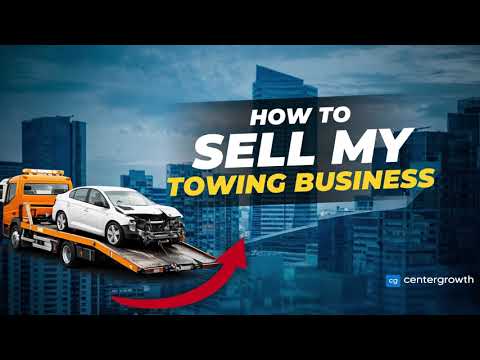
Towing is a hard trade to build and a surprisingly good one to sell. The barriers that made your life difficult, rotation lists that took years to get on, permits, an impound yard, a fleet worth more than most houses, are exactly what stop new competitors and attract serious buyers. The video on this page explains how those advantages translate into a sale price and how the process protects your drivers and contracts along the way. If searching sell my towing business is what brought you here at two in the morning between calls, good. That is usually when owners start thinking clearly about getting out.
What a Tow Company With Contracts Is Worth
Rotation contracts set the floor
Police rotation slots and municipal contracts are the closest thing towing has to guaranteed revenue, and buyers treat them as the backbone of value. They are also the most fragile piece of a sale, because most rotation agreements do not transfer automatically with a change of ownership. Some jurisdictions re-vet the new owner, some put the slot back out for application, and a few will drop a company the day the paperwork changes hands. Before you list, read every rotation agreement and quietly learn the transfer rules. Deals in this industry get structured around keeping those slots alive, sometimes with the seller staying on during a transition, and the sellers who understand the rules going in keep the upper hand. A binder with every rotation agreement, its renewal date, and its transfer language is the first thing to build, because it answers the buyer's biggest fear before he asks.
Impound income makes a towing business easier to sell
Storage fees are quiet money. Every vehicle sitting in your impound lot earns a daily rate while your trucks are out earning somewhere else, and lien sales add another layer on top. Buyers love this revenue because it is high margin and it smooths out the feast-or-famine rhythm of call volume. Document it properly: storage revenue broken out from tow revenue, lot capacity and average occupancy, and your lien sale procedures showing you follow the state process to the letter. Sloppy lien paperwork is a liability a buyer will price against you. Clean paperwork turns the lot into one of your strongest selling points, and if you own the land under it, that is a second asset with its own value.
Motor clubs and the rate squeeze
Every tow owner has opinions about motor club rates, and every buyer will ask what share of your revenue depends on them. Club work at thin margins keeps trucks busy but adds little to your multiple. A book weighted toward retail calls, police work, private property contracts, and heavy recovery earns a better price per dollar of revenue. If clubs dominate your mix, do not panic, but do show the math: cost per call, cash calls versus club calls, and what happens to profit if a club contract went away. Buyers pay more when the seller has already answered the scary questions.
What your fleet says about your towing company
An appraiser can value your wreckers and carriers in an afternoon. What takes longer to see, and matters more, is how the fleet has been treated. Maintenance records on every unit, DOT inspections current, reasonable mileage spread across trucks instead of one workhorse being run into the ground, and a rotator or heavy wrecker if you play in that market. Heavy recovery capability deserves special mention in your offering materials, because heavy calls carry the fattest margins in the industry and the equipment to run them is a seven-figure moat. A tired fleet does not kill a deal, but it converts price into a repair negotiation. Fix the cheap stuff first.
Dispatch and the people problem
A tow company runs on its dispatch seat and its drivers, in that order. If you personally answer the phone at 3 a.m., you do not own a business yet, you own a shift. Buyers pay for operations that run without the seller: dispatch software with GPS tracking, a call log the buyer can audit, drivers with clean MVRs and the certifications your contracts require, and a wage structure that will survive an ownership change. Spend the year before your sale getting yourself out of the truck and off the phone. Every hour of your own labor you remove from the operation adds to what a buyer will pay for it.
Watch this before you talk to a single buyer
Competitors are the natural buyers for tow companies, and they are also the most dangerous people to negotiate with carelessly. Tip your hand to the wrong one and your drivers get recruited and your rotation slots get contested while your sale quietly dies. The right process runs in the opposite order: value the company first, prepare the contract and fleet documentation, then approach buyers under signed confidentiality with a broker as the buffer. The video above walks through that sequence and the mistakes that blow it up.
You built this company on wrecked cars and midnight calls. Selling it should not be another emergency handled on the fly. Watch the sell my towing business video, put your rotation agreements and storage records in order, and go to market on your own terms. Done right, the last call you take in this business is the closing.
FAQ About the Sell My Towing Business Video
How long is the How to Sell a Towing Business video?
About 5 minutes. It is built to be watched in one sitting, and each section of the video has a matching topic covered on this page.
Is the towing business video free to watch?
Yes. It is embedded at the top of this page and also available directly on YouTube, with no signup or payment involved.
What does the towing business video cover?
The video runs about 5 minutes and covers how buyers look at a towing business, the factors that move valuation up or down, and the preparation that protects your price. The guide above walks the same ground in more depth.
More video guides by industry
This page is part of our Business Broker Video Directory, where video walkthroughs on selling other types of businesses are organized by industry. If you own a different kind of company, start there to find the guide that matches your niche.